Yoga Teacher Training in Rishikesh: Building Expertise Through Structure, Practice, and Application
Wiki Article
Rishikesh has earned its global reputation as a center for authentic yoga education, attracting students from every corner of the world. Situated along the banks of the Ganges River and surrounded by the Himalayan foothills, the town provides a unique combination of natural beauty and spiritual depth. For those seeking to become certified yoga instructors or deepen their personal practice, yoga teacher training in Rishikesh offers a comprehensive and immersive experience.
The Structure of Yoga Teacher Training Programs
Yoga teacher training programs in Rishikesh are generally divided into three progressive levels: 100-hour, 200-hour, and 300-hour courses. Each level is designed to match a student’s experience and goals.
The 100-hour program serves as an introductory course, ideal for beginners or travelers who want a short yet meaningful exposure to yoga. It focuses on foundational practices, including basic postures, breathing techniques, and meditation.
The 200-hour program is the most widely recognized certification and is considered the entry-level qualification for teaching yoga professionally. It provides in-depth training across multiple disciplines, equipping students with the knowledge and confidence to lead classes.
The 300-hour program is an advanced course intended for those who have already completed a 200-hour certification. It focuses on mastering advanced techniques, refining teaching skills, and exploring deeper aspects of yogic philosophy.
What You Learn During the Training
A yoga teacher training course in Rishikesh follows a structured curriculum that blends physical practice with theoretical knowledge.
Students begin with asanas, learning both Hatha and Ashtanga yoga styles. These practices help build strength, flexibility, and alignment awareness. Equal emphasis is placed on pranayama, where students learn to regulate breath and enhance energy flow within the body.
Meditation is another core component. Through guided sessions, students develop concentration, mindfulness, and emotional balance. Over time, this practice becomes a powerful tool for managing stress and improving overall well-being.
Theoretical subjects include yoga philosophy, where students study classical texts and understand the ethical principles behind yoga. This helps bridge the gap between physical practice and spiritual understanding.
In addition, anatomy and physiology classes provide essential knowledge about the human body. Students learn how muscles and joints function during yoga practice, which is crucial for preventing injuries and ensuring safe instruction.
Teaching methodology is a key focus for aspiring instructors. Students are trained to design class sequences, give verbal cues, and make adjustments based on individual needs. Practice teaching sessions help build confidence and prepare students for real-world teaching environments.
A Typical Day in Training
Life during a yoga teacher training course in Rishikesh is disciplined and structured. Days usually begin early with meditation and breathing exercises, followed by physical practice. After breakfast, students attend theory classes covering philosophy, anatomy, or teaching techniques.
Afternoons often include workshops, alignment sessions, or self-study, while evenings may feature restorative yoga or group discussions. This routine not only builds consistency but also helps students develop a deeper connection with their practice.
The Living Experience
Most yoga teacher training programs in Rishikesh are residential, offering accommodation and meals as part of the package. Students are typically Sound Healing Training Course in Rishikesh India provided with simple yet comfortable rooms and nutritious vegetarian meals prepared according to yogic principles.
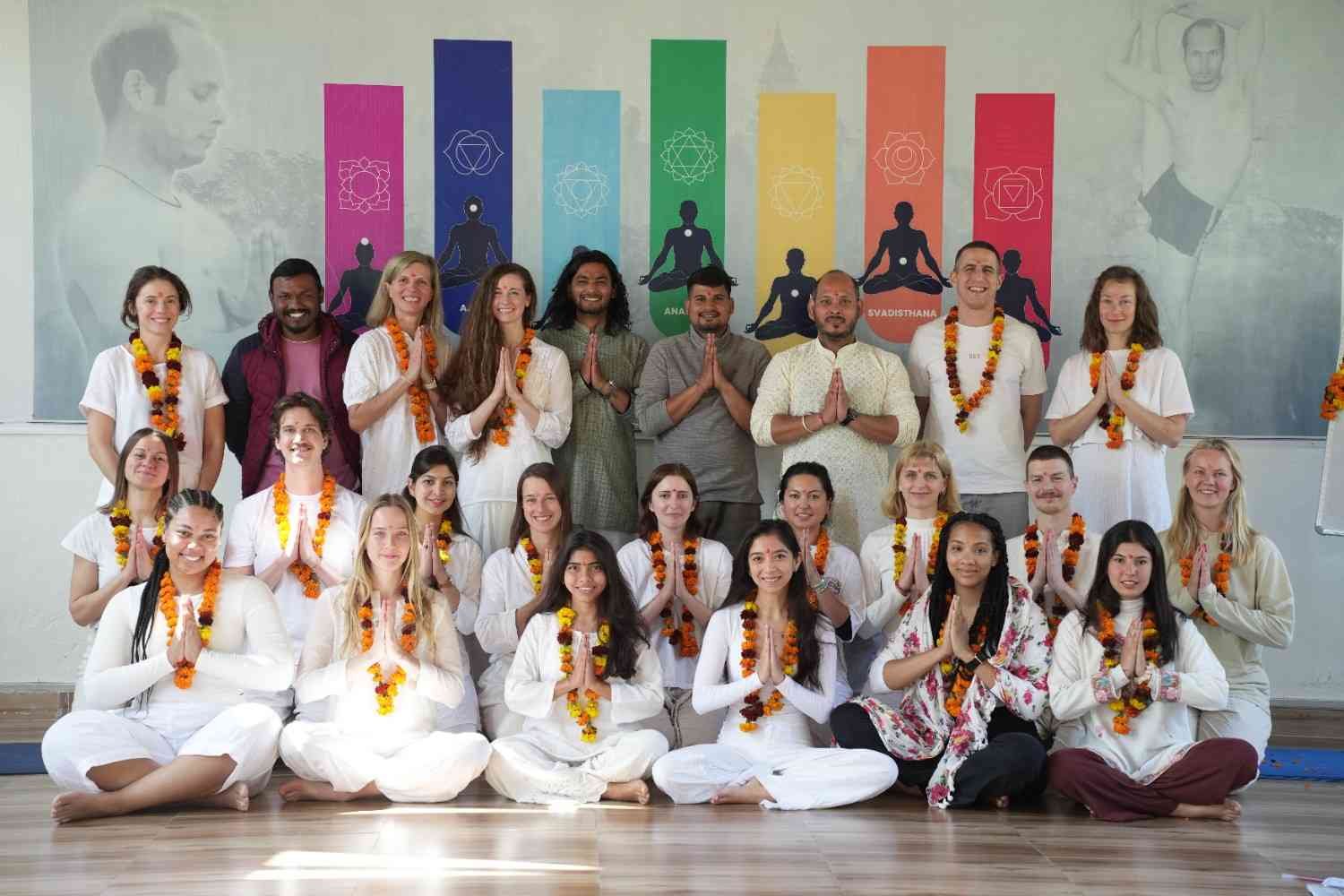
Living in close proximity with fellow students creates a strong sense of community. Participants share experiences, support each other’s growth, and often form lasting connections. The peaceful surroundings further enhance the experience, allowing students to disconnect from daily distractions and focus entirely on their journey.
Benefits Beyond Certification
While earning a certification is a primary goal, the benefits of yoga teacher training in Rishikesh extend far beyond professional credentials. Students often report improved physical health, greater mental clarity, and a deeper sense of purpose.
The immersive nature of the training encourages self-discipline and introspection. Many participants experience personal transformation, gaining insights that positively impact their lifestyle and mindset.
Choosing the Right Program
With numerous yoga schools in Rishikesh, selecting the right program requires careful consideration. Prospective students should evaluate factors such as course curriculum, teacher experience, accommodation quality, and student reviews.
It is also important to ensure that the program aligns with personal goals, whether that is teaching professionally, enhancing personal practice, or exploring spiritual growth.
Conclusion
Yoga teacher training in Rishikesh offers a rare opportunity to study yoga in its most authentic setting. With its comprehensive curriculum, experienced instructors, and serene environment, the experience goes beyond learning postures and techniques. It becomes a journey of self-discovery, discipline, and transformation. For anyone serious about yoga, Rishikesh remains one of the most rewarding places to begin Sound Healing Training Course in Rishikesh India or advance this path.